28 Sep 2026
Seasonal Player Movements in Online Bingo and Their Relation to Loyalty Program Developments
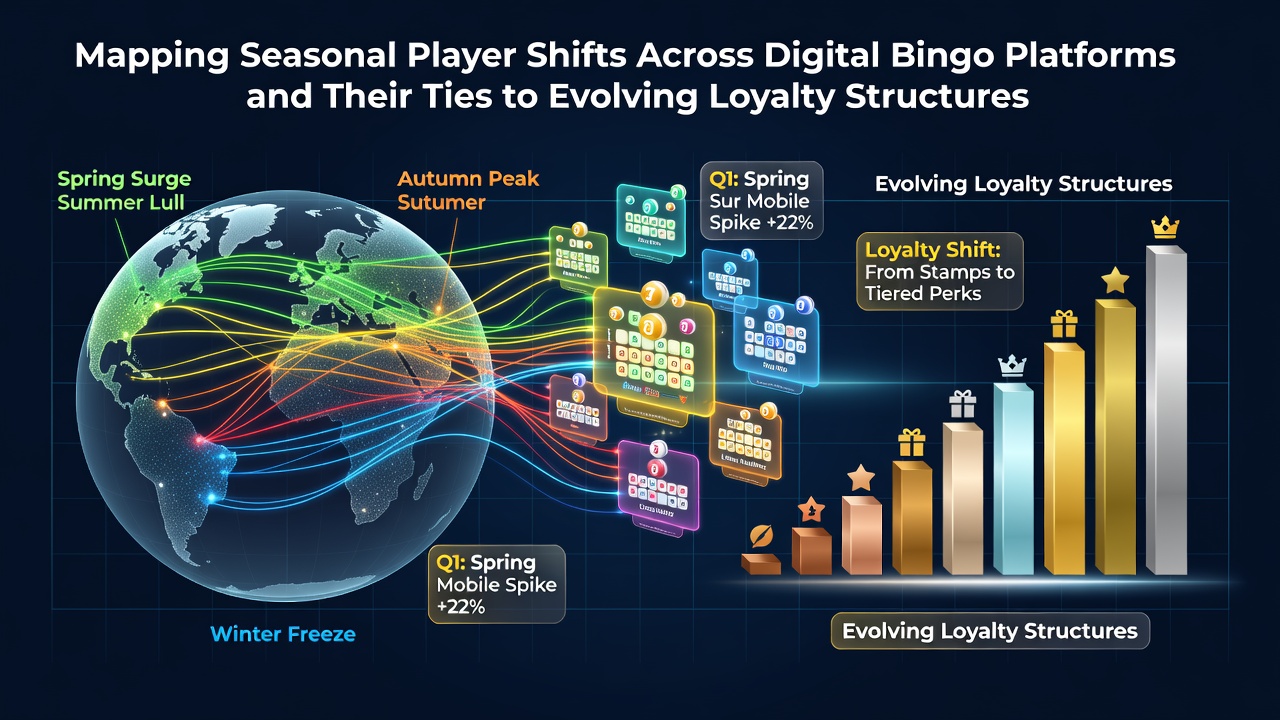
Digital bingo platforms experience measurable shifts in user participation that align with calendar seasons, and these movements connect directly to adjustments in loyalty structures across multiple operators. Data collected from various regions shows higher engagement during colder months when people spend more time indoors, while participation dips in summer as outdoor activities compete for attention. Operators respond by modifying point accumulation rates, reward tiers, and bonus structures to retain active users throughout the year.
Documented Patterns in Player Activity Across Seasons
Research from industry monitoring services indicates that player logins on bingo sites increase by measurable percentages between November and February in northern hemisphere markets, whereas activity levels drop during June through August. These patterns emerge consistently across platforms that track daily active users and session durations. Loyalty programs have adapted by introducing time-limited multipliers during lower-activity periods, such as summer bonus point campaigns that award extra rewards for consistent play. One study from the New Jersey Division of Gaming Enforcement tracked similar trends in online gaming participation, revealing how seasonal factors influence overall platform traffic.
Operators in different time zones report parallel observations, with Australian platforms noting reversed seasonal spikes that correspond to local weather patterns. Loyalty frameworks in these markets incorporate region-specific incentives, including holiday-themed reward tracks that activate during peak local participation windows. The adjustments help maintain steady revenue streams even when baseline activity fluctuates.
Evolution of Loyalty Structures in Response to User Data
Loyalty systems on digital bingo sites have moved beyond static point collection toward dynamic models that factor in seasonal behavior data. Platforms now segment users according to historical play patterns and adjust reward eligibility accordingly. For instance, programs may offer accelerated progression through tiers during traditionally slower months, while maintaining standard accrual rates during high-traffic periods. This approach relies on aggregated analytics that identify when players typically reduce or increase their activity.
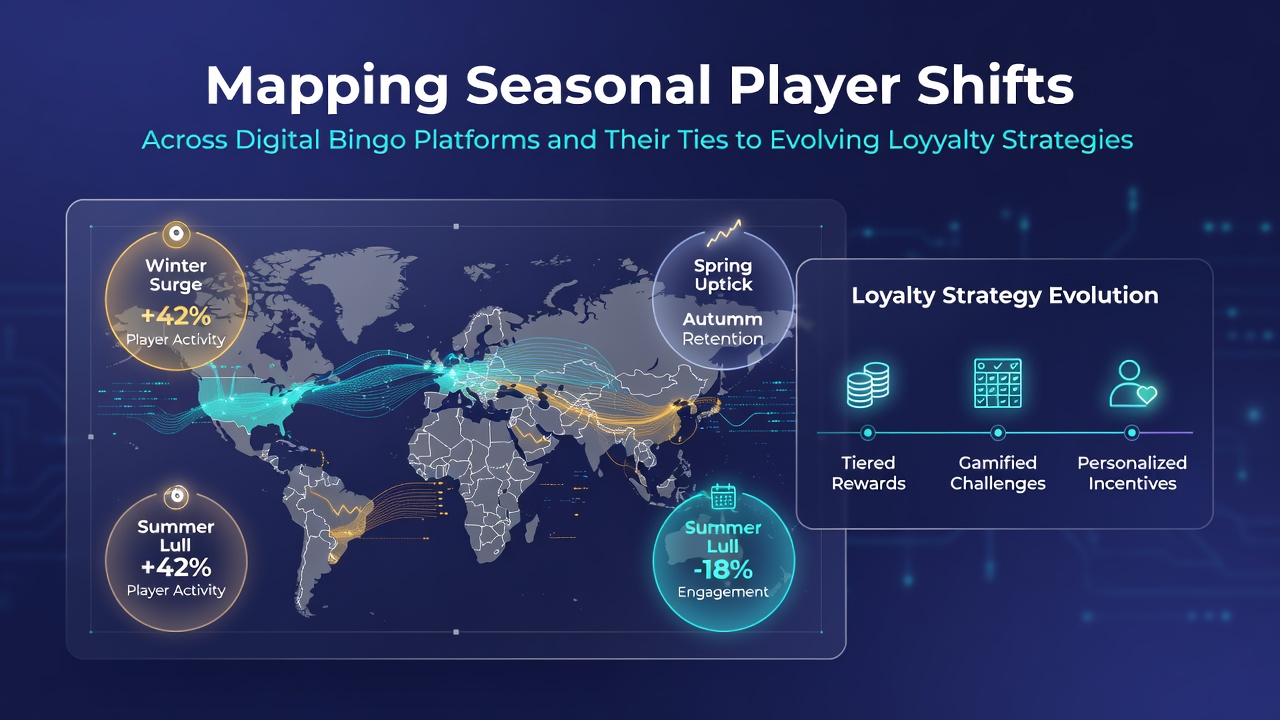
Figures from gaming analytics firms show that platforms implementing seasonal loyalty adjustments retain higher percentages of users year-over-year compared to those using fixed structures. These modifications include targeted offers such as deposit bonuses tied to specific months or exclusive game access during off-peak times. The changes reflect direct responses to observed player migration between platforms and across different times of year.
Connections Between Migration Trends and Reward Adaptations
Player movement between bingo platforms often correlates with the introduction or modification of loyalty incentives. When one site launches a seasonal promotion, data indicates measurable shifts in active accounts toward that operator during the promotion window. Loyalty structures now incorporate predictive elements that anticipate these movements by offering preemptive rewards to at-risk user segments. Reports from iGaming Ontario document how such targeted interventions influence retention rates across seasonal cycles.
Platforms preparing updates scheduled for September 2026 plan to integrate more granular seasonal mapping tools into their loyalty engines. These tools will allow real-time adjustments to point values and tier benefits based on live participation data. The upcoming changes build on existing frameworks that already link reward distribution to historical traffic patterns observed over multiple years.
Regional Variations and Platform-Specific Responses
Different geographic markets display distinct seasonal signatures that loyalty programs address through localized strategies. European operators tend to emphasize winter holiday integrations, while North American sites focus on back-to-school and summer vacation periods. Each approach ties directly to documented user behavior within those regions. Academic analyses from institutions studying digital entertainment consumption confirm that weather-related indoor time strongly predicts increased platform engagement across bingo formats.
Case examples include platforms that introduced loyalty points for social features during summer months when standard play declined. These additions helped stabilize session lengths even as overall numbers softened. Observers note that such adaptations demonstrate how loyalty structures function as responsive mechanisms rather than static reward systems.
Conclusion
Seasonal player shifts across digital bingo platforms continue to shape the development of loyalty structures, with operators using traffic data to inform ongoing reward modifications. The patterns observed through multiple years of tracking show clear correlations between calendar periods and user activity levels, prompting corresponding changes in how points accumulate and benefits distribute. As platforms refine these systems ahead of future updates, the connection between seasonal behaviors and loyalty evolution remains a central factor in operational planning.