23 Nov 2026
Global Data Compliance Shifts Transforming Prize Payout Mechanisms for Licensed Bingo Operators
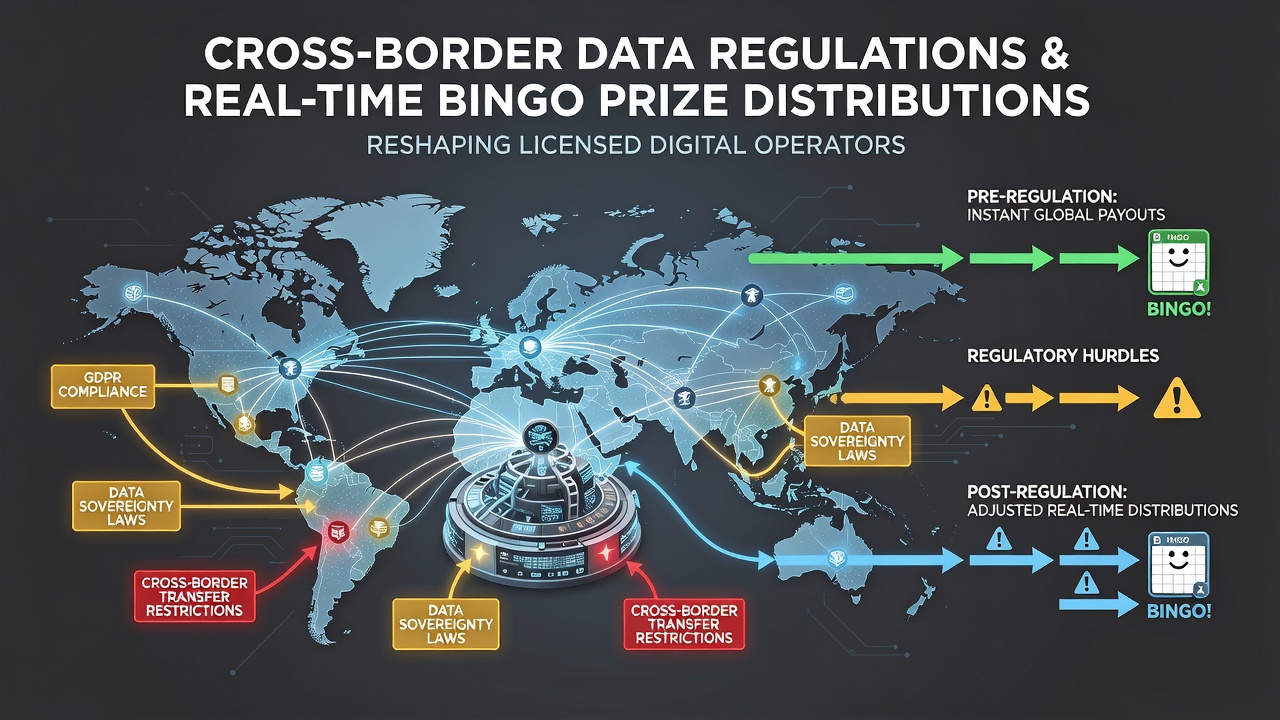
Cross-border data regulations continue to alter how licensed digital bingo operators manage real-time prize distributions, since rules on personal information transfers now require specific protocols for verifying player identities and processing payouts across jurisdictions. Operators must route transaction data through approved channels that comply with varying national standards, and this process often extends verification timelines even when systems operate at high speeds. Research from international gaming associations shows that operators handling multi-country player bases report increased coordination efforts with data protection authorities in each region where they hold licenses.
European frameworks such as the General Data Protection Regulation establish strict conditions for moving player records outside the bloc, while similar statutes in Australia and Canada impose their own consent and security requirements that affect how prize funds reach winners instantly. According to the Office of the Australian Information Commissioner, entities transferring data internationally must demonstrate adequate protection levels, and bingo platforms adjust their payout engines to embed these checks before releasing funds. Those who studied these patterns observe that real-time systems now incorporate automated flags that pause distributions until cross-border compliance clears.
Regulatory Variations Across Key Markets
Operators licensed in multiple territories face layered obligations because each jurisdiction defines data residency and transfer rules differently, and November 2026 marks the scheduled rollout of updated Canadian privacy amendments under PIPEDA that will further standardize cross-border reporting for gaming entities. Data from the Office of the Privacy Commissioner of Canada indicates that firms must now document every instance where player details cross borders during prize calculations, which forces bingo systems to log additional metadata in real time. Meanwhile, Australian rules emphasize individual consent mechanisms that operators integrate into their apps before any jackpot or prize transfer occurs.
These differences create operational friction because a single prize distribution might trigger separate data audits depending on player locations, and licensed operators respond by deploying unified compliance layers that reconcile conflicting requirements on the fly. Industry reports reveal that platforms serving European and Asia-Pacific players simultaneously have invested in modular software that isolates sensitive fields during transfers, thereby maintaining payout speeds without violating local statutes. Observers note that smaller operators often partner with specialized compliance providers to handle these reconciliations rather than building internal teams from scratch.
Technical Adjustments in Distribution Systems
Real-time bingo prize engines have undergone substantial modifications to accommodate data localization mandates, and many now route verification requests through regional servers before finalizing transfers. This architecture prevents unauthorized data flows while preserving the instant nature of prize credits, although initial setup costs have risen for operators scaling across borders. Studies conducted by gaming technology research groups show that platforms implementing geo-fenced data handling reduced compliance incidents by significant margins in the past two years.

Yet the core challenge remains synchronizing these localized processes without introducing delays that players notice, and developers achieve this through asynchronous validation queues that run parallel to the main payout sequence. Licensed operators report that such designs allow prize funds to reach accounts within seconds even when multiple regulatory checks activate simultaneously. Those who've examined system logs find that error rates in cross-border prize handling have declined as operators refine their integration of privacy-by-design principles into core gaming software.
Case Examples from Licensed Operators
One European-based operator expanded its license footprint into Canadian provinces and subsequently reconfigured its prize distribution workflow to align with both GDPR and forthcoming PIPEDA updates, resulting in separate data pipelines for each market. This adjustment ensured that player details used for jackpot verification stayed within approved boundaries, and the company documented measurable improvements in regulatory audit outcomes. Another platform operating under Australian oversight introduced consent dashboards that let players review and approve data transfers before any prize release, which aligned with local privacy expectations while supporting real-time functionality.
These examples illustrate how operators adapt existing infrastructure rather than overhauling entire systems, and similar patterns appear in reports from industry conferences held throughout 2025. Data shared by international trade associations indicates that operators adopting proactive compliance frameworks experience fewer interruptions in prize processing compared with those reacting after enforcement actions begin.
Outlook for November 2026 and Beyond
With Canadian privacy amendments taking effect in November 2026, licensed bingo operators anticipate further refinements to their real-time distribution protocols, particularly around mandatory breach notification timelines that could influence how quickly disputed prizes are resolved. The Office of the Privacy Commissioner of Canada has outlined expanded reporting duties that will require immediate logging of any data event affecting prize integrity. Operators are already testing enhanced monitoring tools designed to flag potential issues before they impact player accounts.
These forthcoming changes build on existing trends where data regulations shape every stage of prize handling, from initial ticket validation through final fund release. Licensed digital operators continue to allocate resources toward compliance automation, and evidence from sector analyses suggests sustained investment in these areas will remain necessary as more jurisdictions introduce or revise their cross-border rules.
Conclusion
Cross-border data regulations have established new operational parameters for real-time bingo prize distributions, compelling licensed operators to integrate compliance directly into their payout infrastructure. Variations across regions such as Europe, Australia, and Canada create distinct technical and procedural demands that platforms address through modular designs and regional data handling. As updates scheduled for November 2026 approach, operators maintain focus on systems that preserve payout speed while satisfying expanding privacy obligations across all licensed markets.