12 Oct 2026
Evolving Bingo Loyalty Programs Through User Engagement Tracking
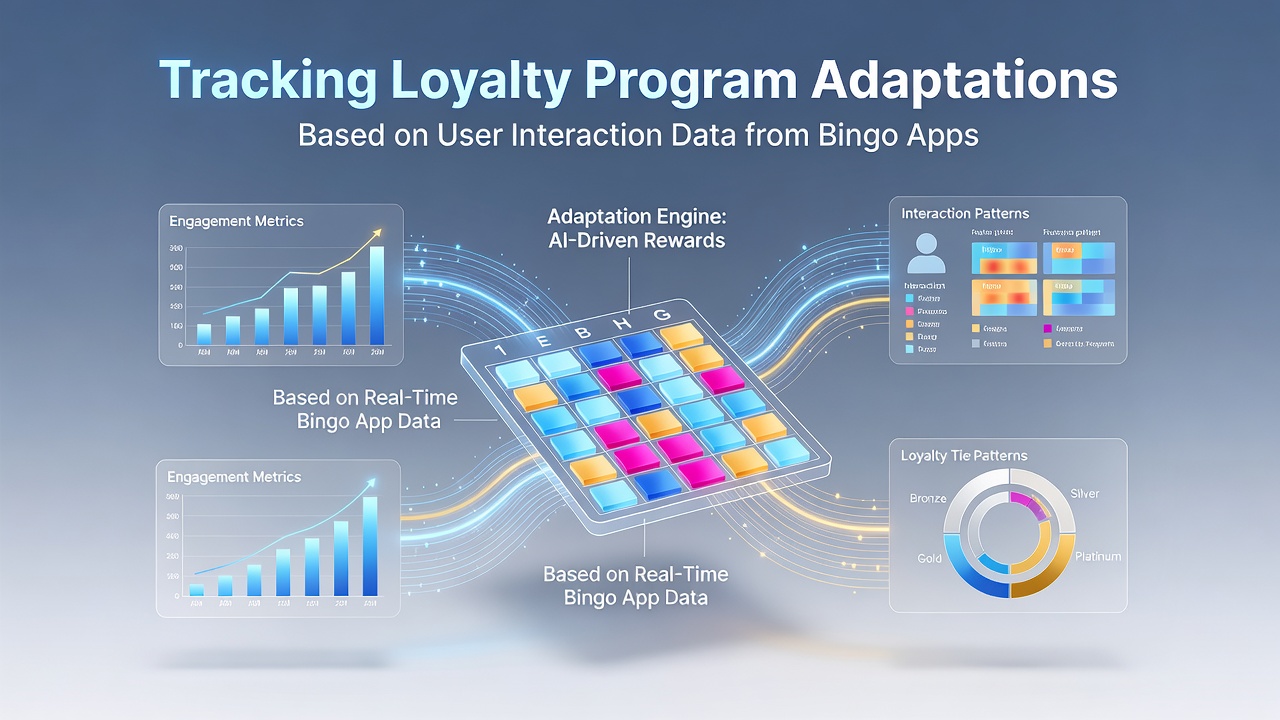
Operators in the bingo app sector rely on detailed user interaction data to adjust loyalty programs in real time, and this process has gained momentum by October 2026 as platforms collect metrics on session duration, game selection, and reward redemption rates. Researchers at several analytics firms track how players move through different bingo variants while logging points earned during peak hours versus off-peak periods, then feed those figures into algorithms that modify tier thresholds and bonus structures without manual intervention. Such adaptations allow programs to respond to actual behavior rather than static assumptions, and companies that implement these systems report measurable shifts in retention numbers within weeks of deployment.
Data Sources and Collection Practices
Interaction logs from bingo applications capture clicks on chat features, frequency of number calls participated in, and patterns of deposit timing, all of which feed into centralized databases for analysis. Teams at development studios combine these logs with anonymized device information to identify segments such as high-volume evening players or weekend-only participants, while regulatory frameworks in multiple jurisdictions require clear consent mechanisms before any data aggregation occurs. Studies from the American Gaming Association highlight how aggregated datasets from North American operators reveal correlations between chat engagement and repeat logins, prompting loyalty adjustments that award extra entries to social features rather than pure spend volume.
Platforms also monitor drop-off points during jackpot rounds and track how users respond to limited-time multipliers, creating feedback loops that refine reward pacing. European operators have adopted similar tracking under guidelines from the European Gaming and Betting Association, where session heatmaps help determine when to introduce new badge systems or streak bonuses tailored to observed play windows.
Adaptation Mechanisms in Practice
Once datasets reach sufficient volume, automated systems test variations in loyalty mechanics such as point expiration dates or tier upgrade requirements, measuring uplift in daily active users against control groups. One operator adjusted its monthly leaderboard criteria after interaction data showed that players who completed fewer than five games per session rarely reached top ranks, leading to the addition of micro-challenges that boosted completion rates across lower-engagement cohorts. These changes occur incrementally, with A/B testing frameworks ensuring that modifications do not disrupt overall participation before wider rollout.
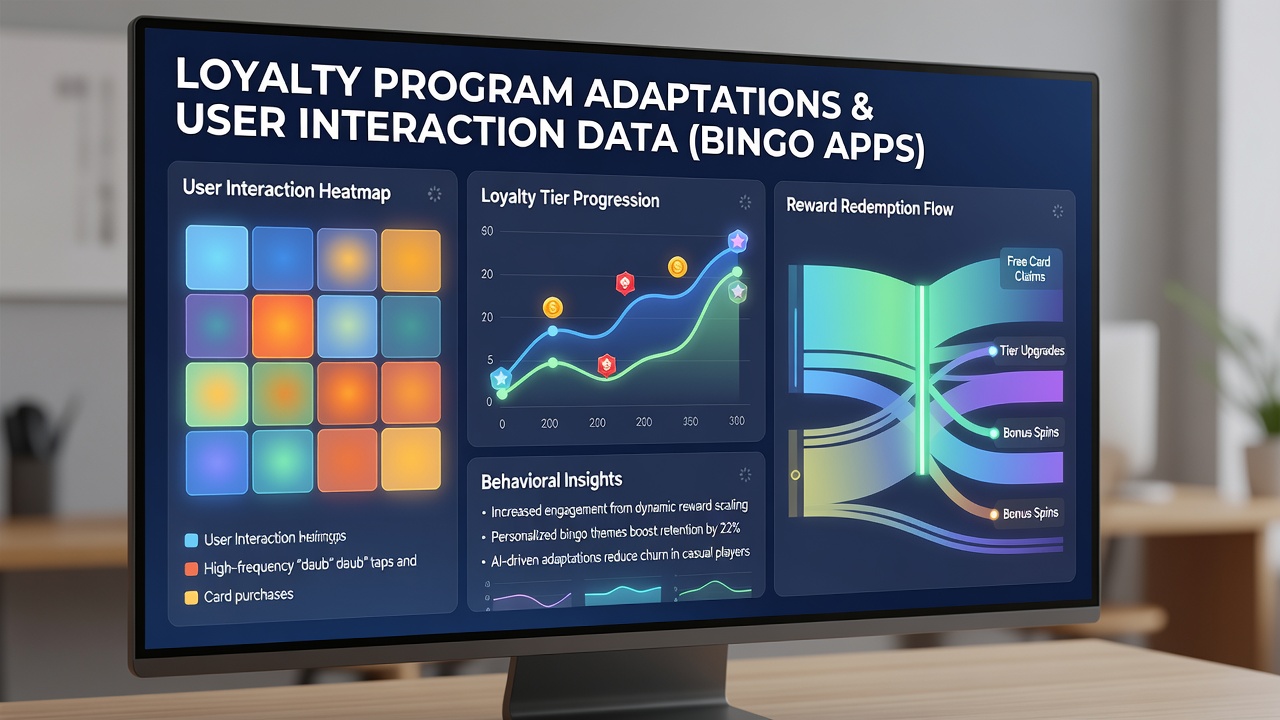
Seasonal patterns emerging in late 2026 further illustrate the value of continuous tracking, as October data indicated increased mobile sessions during commute hours compared with previous years. Loyalty teams responded by introducing time-limited mobile-only multipliers that aligned with these new peaks, resulting in higher redemption activity for digital badges and cross-game credits. Observers note that such targeted updates maintain engagement without requiring broad structural overhauls to the underlying points economy.
Regional Variations and Regulatory Context
North American and European markets demonstrate distinct adaptation priorities driven by local data profiles, with Canadian platforms emphasizing loyalty bonuses tied to responsible play thresholds while Australian operators focus on integration with state-based verification systems. In each case, user interaction metrics guide the weighting of rewards toward behaviors that align with compliance standards, and cross-border comparisons reveal that programs incorporating regional play-style insights achieve steadier month-over-month retention curves. Academic reviews of these implementations stress the importance of transparent data handling policies to sustain user trust throughout iterative program changes.
Conclusion
Tracking user interaction data enables bingo app operators to refine loyalty structures in measured, evidence-based steps that reflect actual engagement trends. By October 2026 the practice has become standard across major platforms, supported by regulatory clarity and advancing analytics tools that connect session-level actions to reward outcomes. Continued refinement of these methods depends on sustained access to high-quality datasets and ongoing alignment with regional oversight requirements, ensuring loyalty programs evolve alongside player behavior rather than ahead of it.